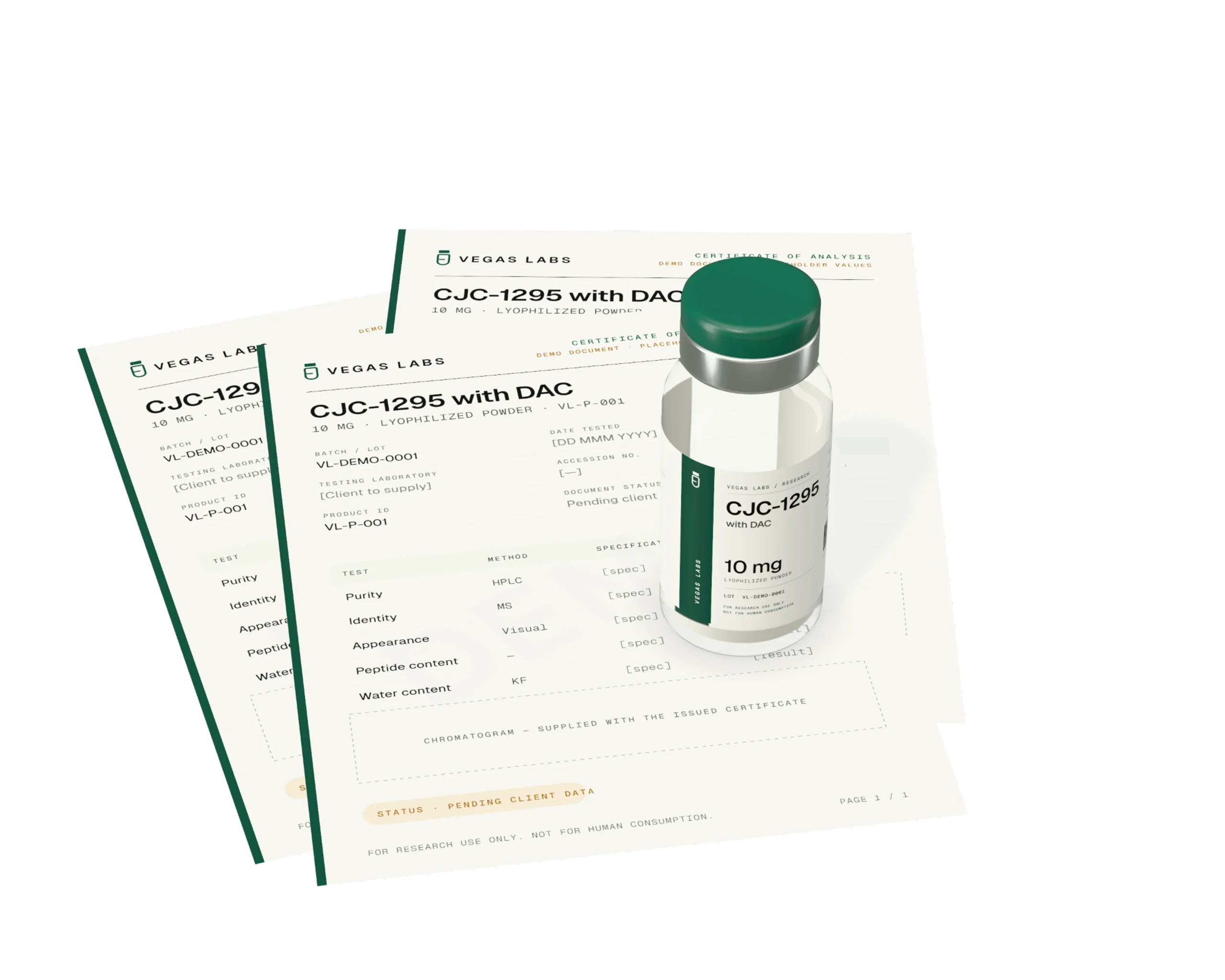
Layouts differ between laboratories, but most certificates carry the same core fields. Reading them in a fixed order makes it easier to notice when something is missing, mismatched or still marked as pending.
01 — What a certificate records
What a certificate records
A certificate of analysis (COA) documents the testing performed on a single production lot. It states what was tested, which method was used, the acceptance criterion that applied and the result obtained for that lot.
It is a lot-level record. A certificate issued for one lot says nothing about another lot of the same product — even when the name, strength and label design are identical.
02 — Identity: product and lot
Identity: product and lot
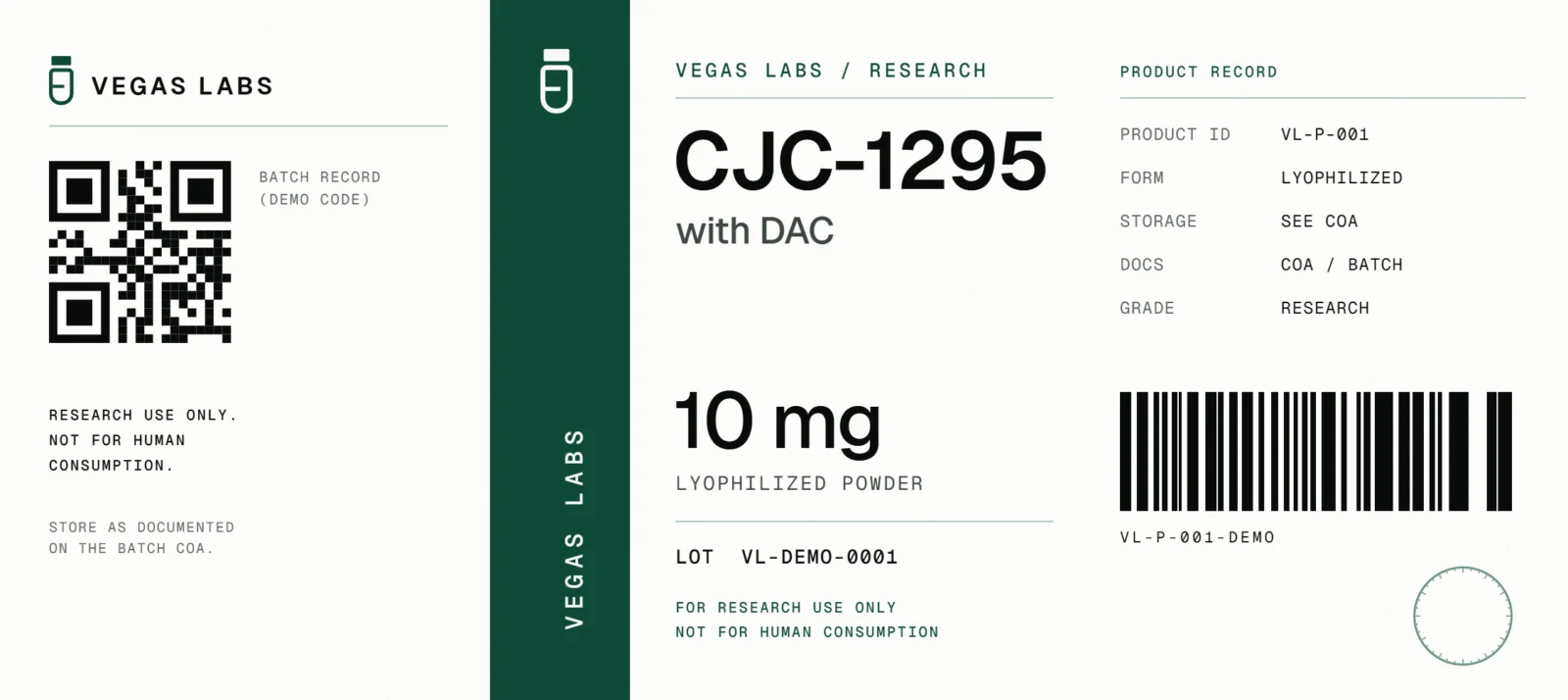
The header identifies the material. Expect a product name, a product identifier and a lot or batch number. On Vegas Labs documents, product identifiers follow the format VL-P-001.
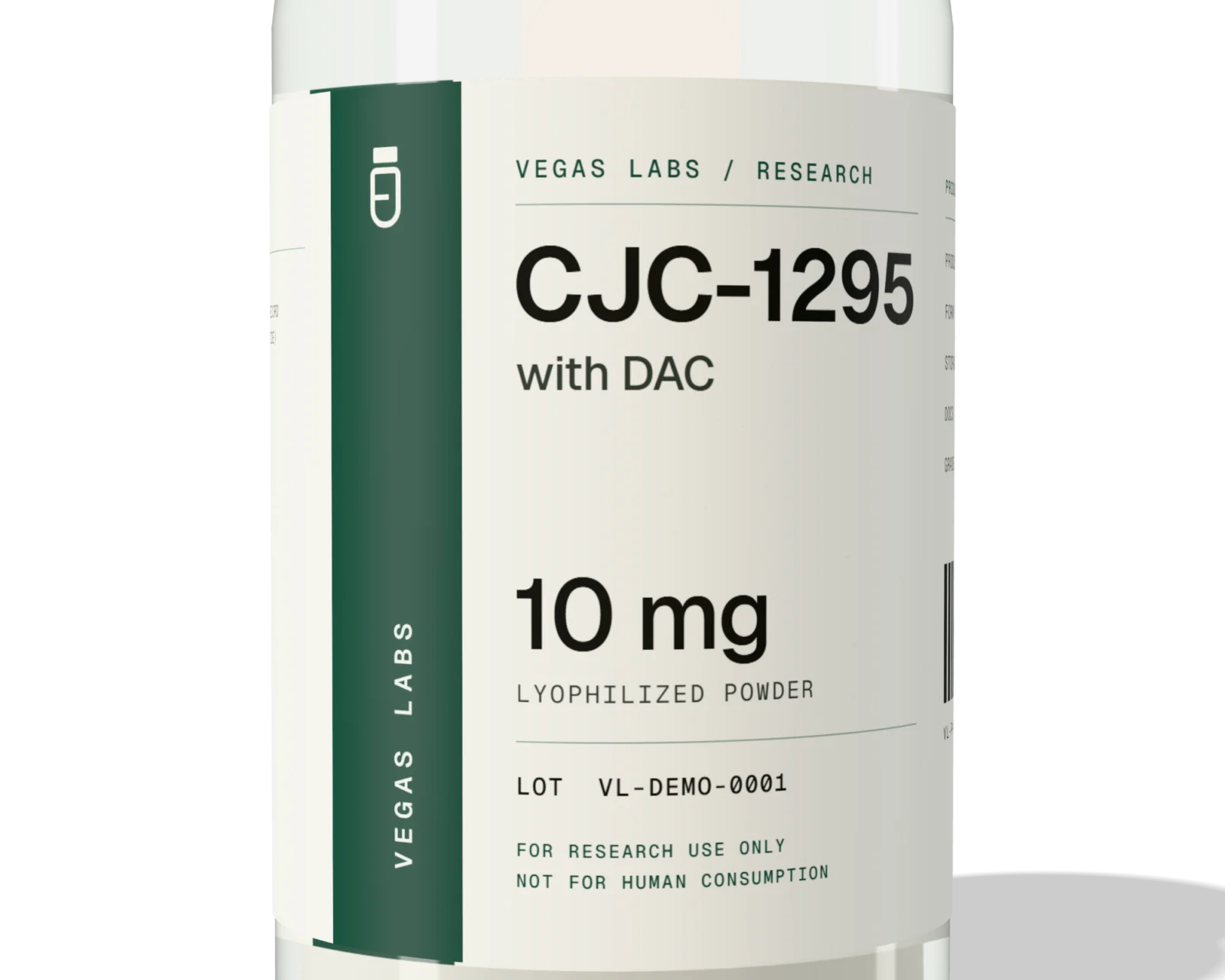
The lot number is the field that connects everything else. It appears on the vial label, on the carton, on the certificate and on your order record. If any of the four disagree, stop and contact support before filing the document.
Fields at a glance
| Product name | As printed on the vial label |
| Product identifier | e.g. VL-P-001 |
| Lot / batch number | Matches vial, carton and order |
| Method | Named per test, e.g. HPLC |
| Specification | Criterion set before testing |
| Result | Measured for this lot |
| Date of analysis | When the lot was tested |
| Laboratory | Issuing laboratory |
The lot number is the thread that runs from the vial to the certificate.
§02 — Identity: product and lot
03 — Method
Method
Each test line names the analytical method used — for example, high-performance liquid chromatography (HPLC) for purity, or mass spectrometry for identity. The method tells you how a value was produced, so read it as part of the result rather than as a footnote.
Record the method exactly as printed, including any reference code. Two values produced by different methods are not directly comparable, even when they are expressed in the same unit.

04 — Specification and result
Specification and result
The specification is the acceptance criterion set before testing: a minimum, a maximum, a range or a description such as “white to off-white powder”. The result is what was measured or observed for this lot.
Read the two columns as a pair. A result only means something next to the specification it was tested against, and a “conforms” or “pass” statement should be supported by both.
When a value is bracketed
A bracketed value such as [Client data] marks a field that has not been published yet. Published certificates replace each bracket with the value reported by the testing laboratory.
Placeholders are not results.
No purity, identity or content figure should be read from a bracketed field. Bracketed fields are completed only when lot documentation is published.
05 — Date and issuing laboratory
Date and issuing laboratory
Look for the date of analysis and, where present, a date of issue. These describe when the lot was tested and when the document was produced. Storage conditions, if the certificate lists them, should be recorded exactly as written.
The issuing laboratory is normally named on the document, and the certificate is signed or approved by a named reviewer. If either is missing, ask for a complete copy before filing it.
06 — Matching it to your vial
Matching it to your vial
Before filing a certificate with your laboratory records, check it against the material in hand:
- Product name and identifier match the vial label.
- Lot number matches the vial, the carton and your order record.
- Storage conditions on the label agree with the certificate.
- No pages, signatures or results are marked pending.
Note the lot number and certificate reference in your receiving log. If anything does not match, email admin@vegaslab.vegasweb.co with the lot number and we will check it against the batch record.